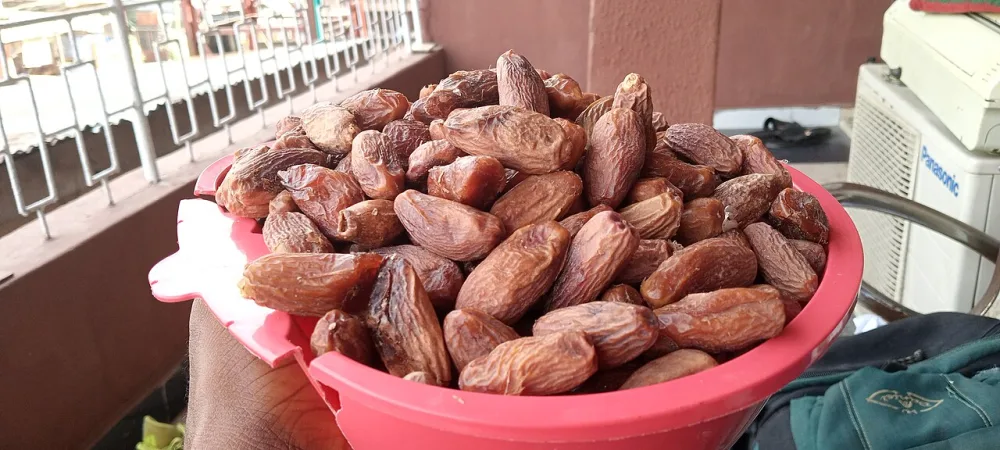
Not all dates can be treated the same. Dry dates like Egyptian Golden Valley keep for months at room temperature, but soft dates — especially ruthob and Mazafati (Rotab Bam) from Iran — are highly sensitive products that demand cold storage and a consistent cold chain. As a warehouse storing soft dates in volume, we explain here how cold storage preserves ruthob freshness, why the cold chain matters all the way to the customer, and the mistakes to avoid. This discussion is technical-logistical and educational, not medical advice.
What Is Ruthob and Why Is It So Fragile
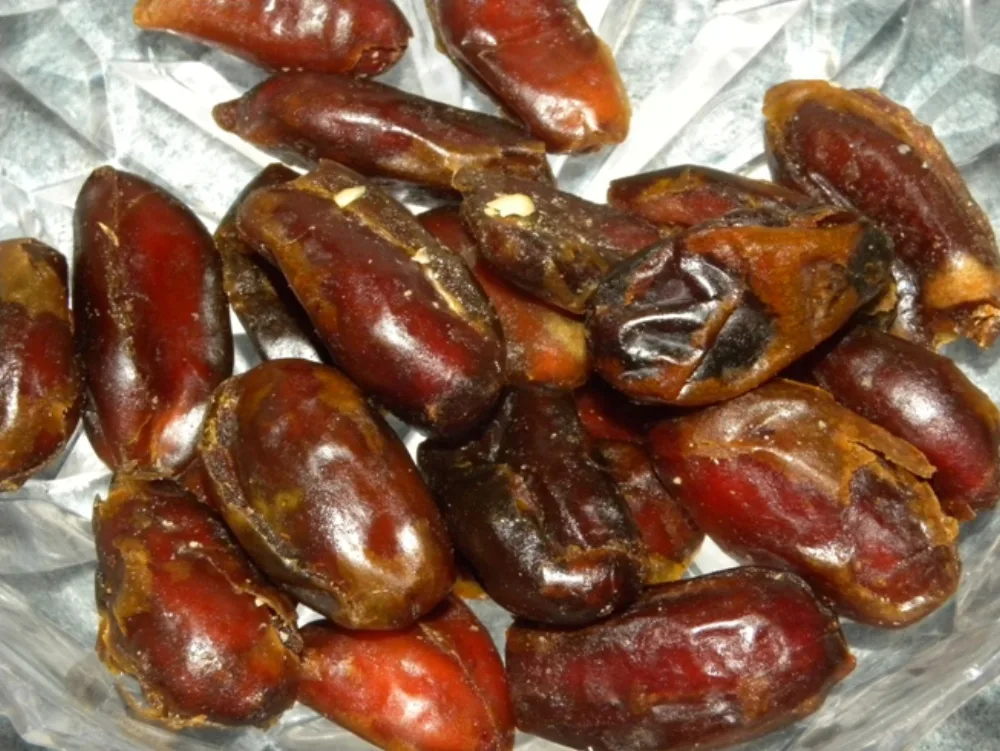
In the date ripening cycle (khalal → ruthob → tamr), ruthob is the ripe-wet stage when the fruit is soft and sweet but still high in moisture. Iranian Mazafati is the most popular ruthob in Indonesia: soft, dark and moist. That very high moisture is what makes it fragile — fermentation, mould and over-softening can occur quickly at hot, humid tropical room temperature. So soft dates essentially cannot be handled and sold like ordinary dry dates, which is the main differentiator of a warehouse with refrigeration.
Storage Temperature: Chiller vs Freezer
Cold storage is a refrigerated facility designed to hold a set temperature to slow microorganism growth and decay so products stay fresh longer. For soft dates, several temperature zones are commonly used:
| Zone | Temperature Range | Use for Dates |
|---|---|---|
| Chiller / cold room | 0°C to 10°C | Medium-term storage of ruthob & Mazafati, ready-to-sell stock |
| Freezer room | -15°C to -20°C | Long-term storage, locking in freshness for months |
| Cool room temp | about 20–25°C | Only for dry/semi-dry dates, NOT ruthob |
For comparison, dry dates keep 6–12 months in a chiller and up to 2–3 years in a freezer; soft dates need low temperatures far sooner to maintain quality. Displaying Mazafati on a room-temperature shelf like ordinary dates is a mistake that quickly leads to spoilage.
The Science of Freezing Soft Dates
Freezing dates is not just putting them in a freezer. Freezing speed strongly determines the final quality:
- Slow freezing forms large ice crystals outside the cells that rupture membranes. On thawing, cells break and liquid escapes (drip loss) along with nutrients and flavour, leaving a mushy, watery texture.
- Rapid freezing forms small, evenly distributed ice crystals, minimising tissue damage and preserving texture on thawing. Research on fresh dates shows rapid methods protect cells and improve post-thaw water retention.
Also, sugar (sucrose) solubility decreases at low temperatures, so sugar can crystallise during storage — relevant for very sweet dates. This is why airtight packaging and a stable temperature matter to prevent moisture migration and excess sugar crystallisation that changes appearance and taste.
How to Thaw Correctly
Improper thawing can undo good storage. The principles:
- Thaw gradually in the chiller (fridge temperature) overnight, not directly in heat. Rapid thawing at high temperature accelerates water loss and oxidative stress that harms flavour.
- Do not refreeze thawed dates, as repeated freeze-thaw cycles permanently damage texture.
- Remove only what you need for sale or consumption, keeping the rest cold in a sealed pack.
Cold Chain: From Warehouse to Customer
The cold chain is the sequence that keeps product temperature low from storage through distribution to the recipient. For soft dates we keep this chain unbroken:
- Storage: Mazafati and ruthob are kept in the cold room until dispatch.
- Packing: removed just before shipping, packed with ice gel in an insulated box to keep the temperature low.
- Delivery: the fastest slot is chosen, ideally same-day for Greater Jakarta, so the fruit does not sit long in heat.
- Receipt: customers are advised to move the parcel to the fridge as soon as it arrives, not leaving it at room temperature.
It is this unbroken cold chain that lets premium soft dates reach Greater Jakarta customers still soft and fresh.
Controlling Humidity and Odour in Cold Storage
Besides temperature, two other factors need managing in the chiller. First, humidity: airtight packaging stops dates absorbing or losing moisture uncontrollably. Second, odour: dates readily absorb strong aromas from their surroundings, so they must be stored separately from pungent products and in sealed containers. Food-hygiene principles recommend placing each food type separately by kind to prevent cross-contamination and odour absorption.
Common Mistakes Storing Soft Dates
- Storing Mazafati at room temperature like dry dates — ferments and moulds quickly.
- Freezing in non-airtight containers — causes freezer burn and freezer-odour absorption.
- Thawing in sunlight or hot water — damages texture and speeds oxidation.
- Refreezing repeatedly — sharply lowers quality.
- Storing near pungent products without a sealed container.
Cold Storage vs Dry Storage: Choosing for Each Date Type
A complete date warehouse actually manages two storage worlds at once. The dry-storage area sits at cool room temperature for semi-dry and dry varieties such as Egyptian Golden Valley, Mariami and some Ajwa that keep well without refrigeration. The cold-storage area is reserved for sensitive soft and premium varieties. Separating the two matters because keeping soft and dry dates at one temperature disadvantages one of them — dry dates do not need cooling cost, while soft dates would spoil at room temperature. This zoning also cuts operating cost, because cooling is focused only on the products that genuinely need it.
For buyers, this means the variety you receive has been stored under the right conditions from the start. Dry dates arrive stable, while soft dates arrive still tender because they never left the cold environment longer than necessary. This handling difference often separates the quality of Mazafati from a well-equipped warehouse versus a seller who keeps all dates on one room-temperature shelf.
Shelf Life: Comparing Storage Options
Understanding shelf life helps plan purchasing. As a general picture, soft dates at tropical room temperature only last a short while before quality drops, whereas in a chiller they last far longer, and in a freezer longest of all. For dry dates the difference is more relaxed — keeping for months at room temperature and years if frozen. So the storage choice always matches the date type, the target selling window, and facility availability. For stock that will sell quickly, a chiller is sufficient; for long-term reserves of soft varieties, the freezer is the safest option.
The advantage of a warehouse with refrigeration is the ability to supply premium soft dates such as Iranian Mazafati fresh year-round, something hard for a shop without cold storage. To order Mazafati Bam with cold-chain handling, or ask about seasonal ruthob availability, contact our team on WhatsApp +62 823-4350-8579.